
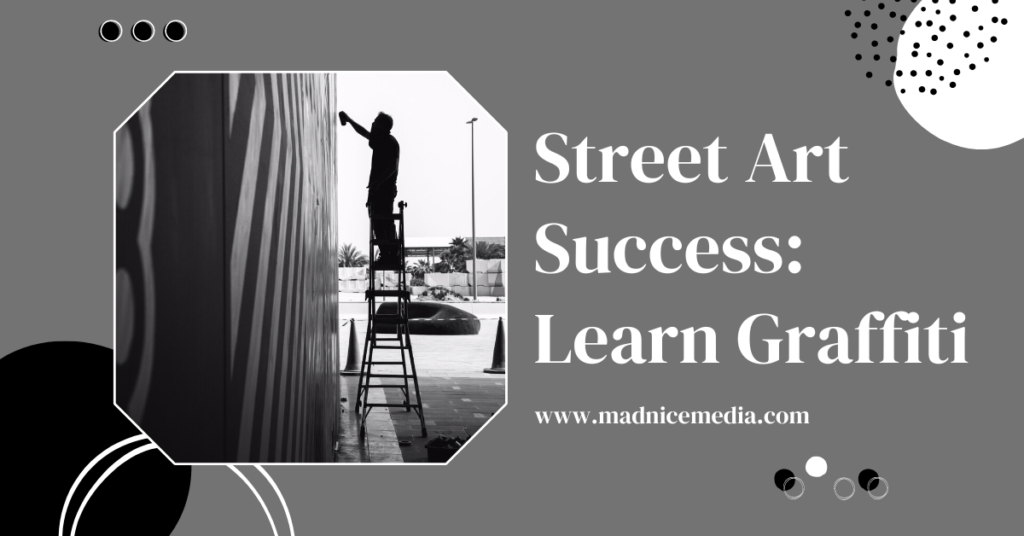
Graffiti is a form of art that has been around for centuries. It is often seen as an illegal activity, but many graffiti artists have turned their passion into a successful career. If you are interested in mastering the art of graffiti, there are several tips that professional street artists recommend.
Understanding graffiti, developing essential skills, knowing the tools and materials, finding your style, gathering tips from professional street artists, building a career, and overcoming challenges are the pillars of becoming a successful street artist.
Let’s dive deeper into each one of these pillars:
1. Understanding Graffiti
Graffiti is an art form that has been around for decades and is often associated with urban environments. It is a form of self-expression that allows individuals to communicate their message to a wide audience through the use of spray paint, markers, and other materials.
The History of Graffiti
The origins of graffiti can be traced back to ancient civilizations where individuals would carve their messages onto walls and other surfaces. However, the modern form of graffiti that we know today originated in the 1960s in New York City, where it was used as a form of protest against social and political issues.
Different Styles of Graffiti
There are various styles of graffiti, including:
- Tagging: the most basic form of graffiti, which involves writing one’s name or initials in a stylized way
- Throw-ups: larger versions of tagging with more intricate designs and colors
- Pieces: short for “masterpieces,” these are large-scale, elaborate works of art that require a lot of skill and planning
- Murals: these are larger works of art that often convey a message or tell a story
The Graffiti Community
Graffiti is more than just an art form; it is a community. Many graffiti artists belong to crews and work together to create large-scale works of art. The community is also supportive of one another, often providing advice and feedback to help each other improve.
The Risks and Legal Issues
Graffiti is not without its risks and legal issues. It is often seen as a form of vandalism and can lead to criminal charges. Additionally, graffiti artists may face physical risks such as falls or exposure to toxic fumes from spray paint.
Graffiti is a powerful art form that allows individuals to express themselves in a unique and impactful way. By understanding the history, styles, and community of graffiti, aspiring artists can gain a better appreciation for this art form and learn how to create their own works of art while minimizing the risks and legal issues associated with it.
2. Essential Skills for Graffiti
Graffiti is an art form that requires a combination of technical skills, creativity, and self-expression. To become a successful graffiti artist, you need to develop a range of essential skills, including:
Handwriting Skills
Graffiti involves writing letters, words, and phrases using different styles and techniques. To master graffiti, you need to have strong handwriting skills, which will allow you to create clean, legible lines and intricate designs.
Creativity
Graffiti is an art form that thrives on creativity. You need to be able to come up with original and innovative ideas and be able to think outside the box. This involves experimenting with different styles, colors, and techniques to create unique and eye-catching designs.
Technical Skills
Graffiti requires a range of technical skills, including:
- Can control: The ability to control the spray can and create clean, precise lines.
- Lettering: The ability to write letters in different styles and fonts.
- Shading: The ability to create depth and texture using shading techniques.
- Perspective: The ability to create the illusion of depth and dimension in your designs.
Time Management
Graffiti often involves working in public spaces, which can be time-consuming and require careful planning. To be a successful graffiti artist, you need to be able to manage your time effectively and work quickly and efficiently to avoid being caught.
Collaboration Skills
Graffiti often involves working with other artists and collaborators. To be successful, you need to be able to work well in a team and be able to communicate your ideas effectively to others.
Problem-Solving Skills
Graffiti often involves working in challenging environments, such as uneven surfaces or adverse weather conditions. To be successful, you need to be able to problem-solve and adapt your techniques to suit the environment.
Risk Management
Graffiti is often illegal and carries a risk of arrest and prosecution. To be successful, you need to be able to assess and manage these risks, and take steps to minimize the chances of being caught.
Knowledge of Materials
To create high-quality graffiti, you need to have a good knowledge of the materials you are working with, including different types of spray paint, markers, and ink.
Marketing Skills
To be a successful graffiti artist, you need to be able to promote yourself and your work. This involves building a strong online
3. Tools and Materials
Tools and materials are crucial for any artist, and graffiti is no exception. Here are some of the essential tools and materials required for creating stunning graffiti pieces:
Spray Paint
Spray paint is the most common medium used in graffiti art. It comes in different colors, and you can use it to create different styles and effects. It’s important to choose high-quality spray paint that provides good coverage and doesn’t fade quickly.
Spray Paint Caps
Spray paint caps control the width of the spray pattern, allowing artists to create different line widths, from thin to thick. Caps also control the pressure and flow of the spray paint.
Markers and Pens
Markers and pens are useful for creating outlines and details in graffiti art. They come in different colors and tip sizes, allowing artists to create precise lines and effects.
Sketchbook or Notepad
Graffiti artists often use sketchbooks or notepads to plan their designs before creating them on the wall or other surfaces. Sketchbooks are also useful for practicing different lettering styles and developing new ideas.
Gloves and Mask
Spray paint contains harmful chemicals that can be dangerous if inhaled or come in contact with the skin. It’s important for graffiti artists to wear gloves and a mask to protect themselves from these chemicals.
Protective Clothing
Graffiti artists often wear protective clothing, such as long-sleeved shirts and pants, to protect their skin from spray paint and other materials. Some artists also wear hats or hoodies to conceal their identities.
Ladder or Scaffold
A ladder or scaffold is necessary for reaching high areas when creating graffiti on walls or other surfaces. It’s important to use a stable ladder or scaffold to ensure the artist’s safety.
Cleaning Supplies
Cleaning supplies, such as soap and water, can be used to remove unwanted paint or mistakes in graffiti art. It’s important to use non-toxic cleaning supplies to avoid damaging the surface or harming the environment.
Lighting
Good lighting is essential for creating high-quality graffiti art. It allows artists to see the details of their work and ensure that the colors are applied evenly.
By having the right tools and materials, graffiti artists can bring their ideas to life and create stunning works of art.
4. Finding Your Style
Graffiti art is all about self-expression, creativity, and individuality. As an artist, it is important to find your own style and voice. Here are some tips on how to find your style in graffiti:
Experiment with Different Techniques and Styles
- Try different techniques such as tagging, throw-ups, and pieces.
- Experiment with different styles such as wildstyle, bubble letters, and characters.
Develop a Signature Element
- Think of a signature element that can set your art apart from others.
- This can be a specific color scheme, a unique symbol or character, or a particular technique.
Incorporate Your Personal Interests
- Incorporate your personal interests and experiences into your art.
- This can make your art more unique and personal.
Draw Inspiration from Other Artists
- Study the works of other graffiti artists and find inspiration from their styles and techniques.
- Don’t copy their work, but use their techniques to develop your own style.
Practice, Practice, Practice
- The more you practice, the more you will develop your own style.
- Experiment with different tools and techniques until you find what works for you.
Keep an Open Mind
- Be open to new ideas and styles.
- Attend graffiti events and connect with other artists to gain new perspectives and techniques.
Remember, finding your style in graffiti is a personal journey. It takes time and practice to develop your own unique voice. Don’t be afraid to experiment and take risks with your art.
5. Tips from Professional Street Artists
Graffiti is an art form that allows artists to express themselves through a unique combination of skill, creativity, and imagination. However, mastering the art of graffiti can be a challenging and daunting task, especially for beginners. Fortunately, professional street artists have years of experience and knowledge to share. Here are some tips from them to help you master the art of graffiti:
Experiment with Different Styles
- Try different lettering styles, such as block letters, wildstyle, or bubble letters, and see which one you enjoy and feel comfortable with.
- Practice drawing different shapes and forms, such as arrows, stars, and dots, to add dimension and depth to your artwork.
Choose the Right Colors
- Choose colors that complement each other and create a harmonious composition.
- Experiment with different color schemes, such as monochromatic, complementary, or analogous, to create unique and visually appealing graffiti.
Practice Your Technique
- Practice your lines, curves, and angles by drawing basic shapes and letters over and over again.
- Experiment with different markers, spray cans, and tips to see which one suits your style and technique.
Develop Your Own Style
- Take inspiration from other artists but develop your own unique style that sets you apart.
- Use your personal experiences, emotions, and ideas to create meaningful and powerful graffiti.
Know the Laws and Regulations
- Before starting your graffiti artwork, make sure to research the laws and regulations in your area to avoid legal trouble.
- Look for legal and designated graffiti areas or events where you can express your creativity without breaking the law.
Collaborate With Other Artists
- Collaborate with other artists to learn new techniques and styles, share ideas and experiences, and create powerful and meaningful graffiti together.
- Join local graffiti communities or organizations to connect with other artists and share your artwork with a wider audience.
By following these tips from professional street artists, you can improve your skills, develop your own style, and create powerful and meaningful graffiti art. However, remember to always respect the laws and regulations in your area and to use your creativity for positive and constructive purposes.
6. Building a Successful Career in Graffiti
Graffiti is a unique and powerful art form that allows individuals to express themselves and their creativity. For many, it is more than just a hobby – it’s a way of life. If you’re interested in building a career in graffiti, here are some tips to help you succeed.
Develop Your Skills
Graffiti is an art form that requires skill, practice, and dedication. To become a successful graffiti artist, you need to develop your skills in the following areas:
- Drawing and Sketching: Start by developing your basic drawing and sketching skills. This will help you develop your hand-eye coordination and create more complex designs.
- Color Theory: Understanding color theory is essential for creating visually appealing graffiti art. Learn how to use colors to create depth and contrast in your work.
- Lettering: Graffiti artists are known for their unique lettering styles. Spend time experimenting with different lettering styles and find one that suits your personality and artistic style.
- Spray Painting Techniques: Mastering spray painting techniques takes time and practice. Experiment with different types of spray paints and nozzles to find what works best for you.
Obtain the Right Materials
The right tools and materials are essential for creating high-quality graffiti art. Here are some of the basic materials you’ll need:
- Spray Paint: Spray paint is the primary medium used in graffiti art. Choose high-quality, artist-grade spray paint for the best results.
- Paint Markers: Paint markers are useful for adding details and accents to your graffiti art.
- Sketchbook: A sketchbook is a great way to practice your designs and develop your skills.
- Protective Gear: Wearing protective gear, such as gloves and a respirator, is important for your safety while working with spray paint.
Network and Collaborate
Networking is important in any industry, and graffiti art is no exception. Here are some ways to build your network and collaborate with other artists:
- Attend Graffiti Art Events: Attend graffiti art events and exhibitions to meet other artists and showcase your work.
- Join a Crew: Joining a graffiti crew is a great way to connect with other artists and collaborate on larger projects.
- Work with Local Businesses: Contact local businesses to see if they’re interested in having you create a mural or graffiti art on their building.
Build Your Brand
Building a brand is essential for establishing yourself as a professional graffiti artist. Here are some tips to help you build your brand:
- Create a Portfolio: Create a portfolio of your work to showcase your skills and style.
- Develop a Signature Style: Developing a signature style will help you stand out and make your work more recognizable.
- Establish an Online Presence: Establishing an online presence, such as a website or social media accounts, is essential for promoting your work and building your brand.
Be Professional
Finally, it’s important to be professional if you want to build a successful career in graffiti. Here are some tips to help you maintain a professional image:
- Respect the Law: Graffiti is often associated with vandalism, but it doesn’t have to be. Respect the law and only create art in areas where it’s legal to do so.
- Communicate Effectively: When working with clients or collaborating with other artists, effective communication is key.
- Be Reliable: Deliver your work on time and be reliable. This will help you establish a good reputation in the industry.
By developing your skills, obtaining the right materials, networking, building your brand, and maintaining a professional image, you can build a successful career in the world of graffiti art.
7. Overcoming Challenges
Graffiti is not just an art form but a way of life for many street artists. However, as much as the creative process is thrilling, it can be frustrating when things do not go as planned. In this section, we will discuss some of the challenges that graffiti artists face and how to overcome them.
Lack of Recognition
One of the biggest challenges for graffiti artists is the lack of recognition for their work. Graffiti is often considered vandalism rather than art, and many artists struggle to have their work taken seriously. Here are some tips for overcoming this challenge:
- Participate in graffiti festivals and competitions to gain exposure and recognition.
- Collaborate with other artists to create larger murals and gain more visibility.
- Share your work on social media platforms and create a portfolio of your work.
Legal Issues
Graffiti is often considered illegal, and many artists risk getting arrested and facing legal charges. Here are some tips for dealing with legal issues:
- Research local laws and regulations regarding graffiti.
- Seek permission from property owners before creating any artwork.
- Work with local authorities to create legal graffiti walls in your community.
Finding Inspiration
Sometimes, finding inspiration can be challenging, especially if you have been doing graffiti for a long time. Here are some tips for finding inspiration:
- Travel to other cities and countries to see different styles and techniques.
- Collaborate with other artists to create new and exciting work.
- Take a break and explore other forms of art to find new inspiration.
Dealing with Criticism
Graffiti is a controversial art form, and many people have negative opinions about it. Dealing with criticism can be difficult, but here are some tips for handling it:
- Use criticism as a way to improve your work and develop your skills.
- Ignore negative comments and focus on positive feedback.
- Educate people about the art form and the message behind your work.
While graffiti can be a rewarding art form, it is not without its challenges. However, with perseverance, creativity, and dedication, you can overcome these challenges and build a successful career in graffiti.
Conclusion
Mastering the art of graffiti takes time, practice, and dedication. With the right skills, tools, and mindset, anyone can become a successful graffiti artist. Remember to always respect public property and laws, and to use your art to make a positive impact on the world around you.
If you’re interested in learning more about other non-rap careers within hip-hop check out my article.