
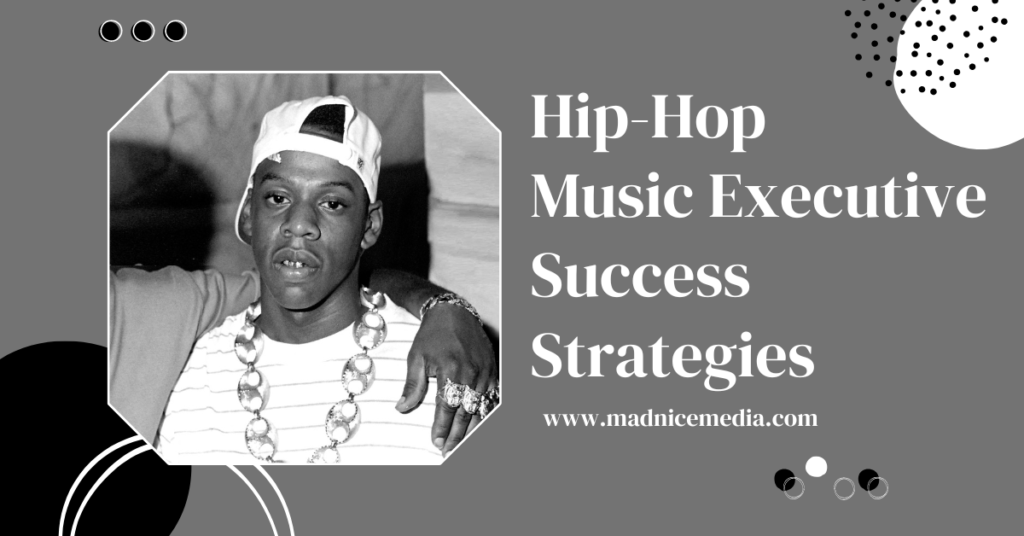
Hip-hop is an ever-evolving genre, and the music industry is constantly seeking innovative music executives to push the genre forward. If you aspire to a career as a music executive, particularly within hip-hop, this article provides valuable insights from a professional musician to help you achieve success.
Understanding the role, developing essential skills, acquiring experience, completing education requirements, and building a successful career are the fundamental steps to becoming a music executive.
Let’s dive deeper into each one of these steps:
1. Understanding the Role
If you’re interested in becoming a successful music executive within hip-hop, it’s essential to understand the role of a music executive in the industry.
Definition of a Music Executive
A music executive is responsible for overseeing the development, production, marketing, and distribution of music. In the hip-hop industry, a music executive has the crucial role of guiding and managing artists to help them achieve success in their careers.
Duties of a Music Executive in Hip-Hop
Here are some of the main duties of a music executive in the hip-hop industry:
- Discovering and developing new talent: A music executive in hip-hop must be able to identify emerging talent and help develop their skills and brand.
- Negotiating deals: Music executives negotiate contracts with artists, record labels, music distributors, and other industry professionals to secure the best possible deals for their clients.
- Managing finances: A music executive must be skilled in managing finances, including budgeting and accounting.
- Promoting and marketing music: A music executive must be able to promote and market music to help it reach its target audience and generate revenue.
- Building and maintaining relationships: A music executive must be able to build and maintain relationships with artists, managers, producers, and other industry professionals to help their clients succeed in the industry.
- Staying up-to-date on industry trends: A music executive must stay current with industry trends and shifts in the music market to help their clients remain relevant.
Importance of Knowledge about Hip-Hop Genre and Subcultures
To be a successful music executive in hip-hop, it’s important to have a deep understanding of the genre and its unique subcultures. Knowledge of the following can help a music executive make informed decisions:
- History and Culture
- Music trends and subgenres
- Fashion and style
- Lifestyle and language
- Communities and influencers
Understanding the role of a music executive in hip-hop and having knowledge of the genre and its subcultures is essential for success in the industry. By mastering these skills, you can help artists achieve their goals and push the hip-hop genre to new heights.
2. Essential Skills
To be a successful music executive in the hip-hop industry, you need to have a combination of both hard and soft skills. Here are some essential skills that a music executive should possess:
Communication and Interpersonal Skills
- Communicate effectively with artists, managers, other industry professionals, and team members.
- Listen actively, understand, and empathize with others.
Negotiation and Conflict Resolution
- Negotiate and create win-win solutions.
- Resolve conflicts and problems that arise during the project.
Decision-making and Problem-solving
- Analyze problems and make informed decisions quickly.
- Find creative solutions to problems and come up with innovative ideas.
Leadership and Management
- Lead and manage teams effectively.
- Provide guidance, direction, and motivation to team members.
Analytical and Strategic Thinking
- Analyze data and information to identify trends, patterns, and opportunities.
- Think strategically and develop long-term plans for artists and their careers.
Adaptability and Flexibility
- Adapt to changes and be flexible in dealing with unexpected situations.
- Work well under pressure and meet tight deadlines.
Passion and Knowledge
- The passion for music and the hip-hop genre.
- Knowledge of hip-hop culture, subcultures, and industry trends.
Having these essential skills is crucial for a music executive to excel in the hip-hop industry. These skills enable them to work effectively with artists, managers, and other industry professionals and help them navigate the constantly evolving music market.
3. Education and Experience Requirements
Education and experience requirements are crucial for becoming a successful music executive in hip-hop. Here are some key points to consider:
Formal Education in Music Business or Related Fields
- Formal education in the music business or related fields such as marketing, business administration, or entertainment law can provide a strong foundation for a career as a music executive.
- Consider pursuing a bachelor’s or master’s degree from a reputable college or university.
Internships or Entry-level Positions at Music Companies or Record Labels
- Internships or entry-level positions at music companies or record labels can provide hands-on experience and help you build industry connections.
- Look for internships or entry-level positions that offer exposure to different aspects of the music industry, such as artist management, A&R, marketing, or distribution. If curious here is an article on non-rap careers in the hip-hop industry.
Networking and Building Relationships within the Industry
- Networking and building relationships within the industry are essential for career advancement.
- Attend music industry events and conferences, join professional organizations, and participate in online music industry communities to connect with industry professionals.
- Build relationships with colleagues, mentors, and artists to gain insight into the industry and potential job opportunities.
Continuing Education and Professional Development
- The music industry is constantly evolving, and it’s important to stay up-to-date on the latest trends and technologies.
- Consider pursuing continuing education courses, attending industry workshops and seminars, and staying current with music industry news and publications to stay informed and develop new skills.
By obtaining a formal education in the music business or related fields, gaining hands-on experience through internships or entry-level positions, building industry connections through networking and relationships, and continuing education and professional development, you can position yourself for success as a music executive in hip-hop.
4. Building a Successful Career
Building a successful career as a music executive requires more than just having the essential skills and education. Here are some additional tips to help you establish and grow your career as a music executive in the hip-hop industry:
Developing a Strong Work Ethic and Professional Reputation
- Be reliable and always follow through on commitments.
- Show a strong work ethic and maintain a positive attitude.
- Be punctual and respectful of other people’s time.
Building and Maintaining Relationships with Artists, Managers, and Other Industry Professionals
- Attend industry events and networking opportunities to meet new people and expand your professional network.
- Develop and maintain strong relationships with artists, managers, producers, and other industry professionals.
- Be respectful and approachable in all of your interactions.
Developing a Keen Sense of Marketing and Branding for Artists and Their Music
- Stay up-to-date on the latest marketing and branding trends in the music industry.
- Understand the importance of developing a unique brand for each artist and their music.
- Know how to effectively market and promote an artist and their music to the right audiences.
Knowing How to Identify and Capitalize on Emerging Talent and Industry Trends
- Keep up-to-date on emerging talent in the hip-hop industry.
- Understand the latest industry trends and how they may impact your work as a music executive.
- Know how to identify emerging talent and understand the potential impact they can have on the industry.
By focusing on these additional tips, you can position yourself for success as a music executive in the hip-hop industry. Remember to stay open-minded, keep learning, and always be willing to adapt to changes in the industry.
Becoming a successful music executive in hip-hop requires a combination of knowledge, skills, education, and experience. It is crucial to have a deep understanding of the genre and its subcultures, as well as to stay up-to-date with industry trends and shifts in the music market. The essential skills for success in this field include communication, negotiation, decision-making, leadership, and analytical thinking. Pursuing formal education in the music business or related fields, along with gaining practical experience through internships or entry-level positions, can also be advantageous in building a successful career as a music executive.
Finally, it is essential to develop a strong work ethic, build and maintain relationships with artists, managers, and other industry professionals, and have a keen sense of marketing and branding to identify and capitalize on emerging talent and industry trends. By following these tips and continually learning and adapting to the ever-changing music industry, you can position yourself for success as a music executive in hip-hop.
Pingback: The Intersection of Hip-Hop and Entrepreneurship – MadNice Media